
Australian Duncan.
Contact Me.
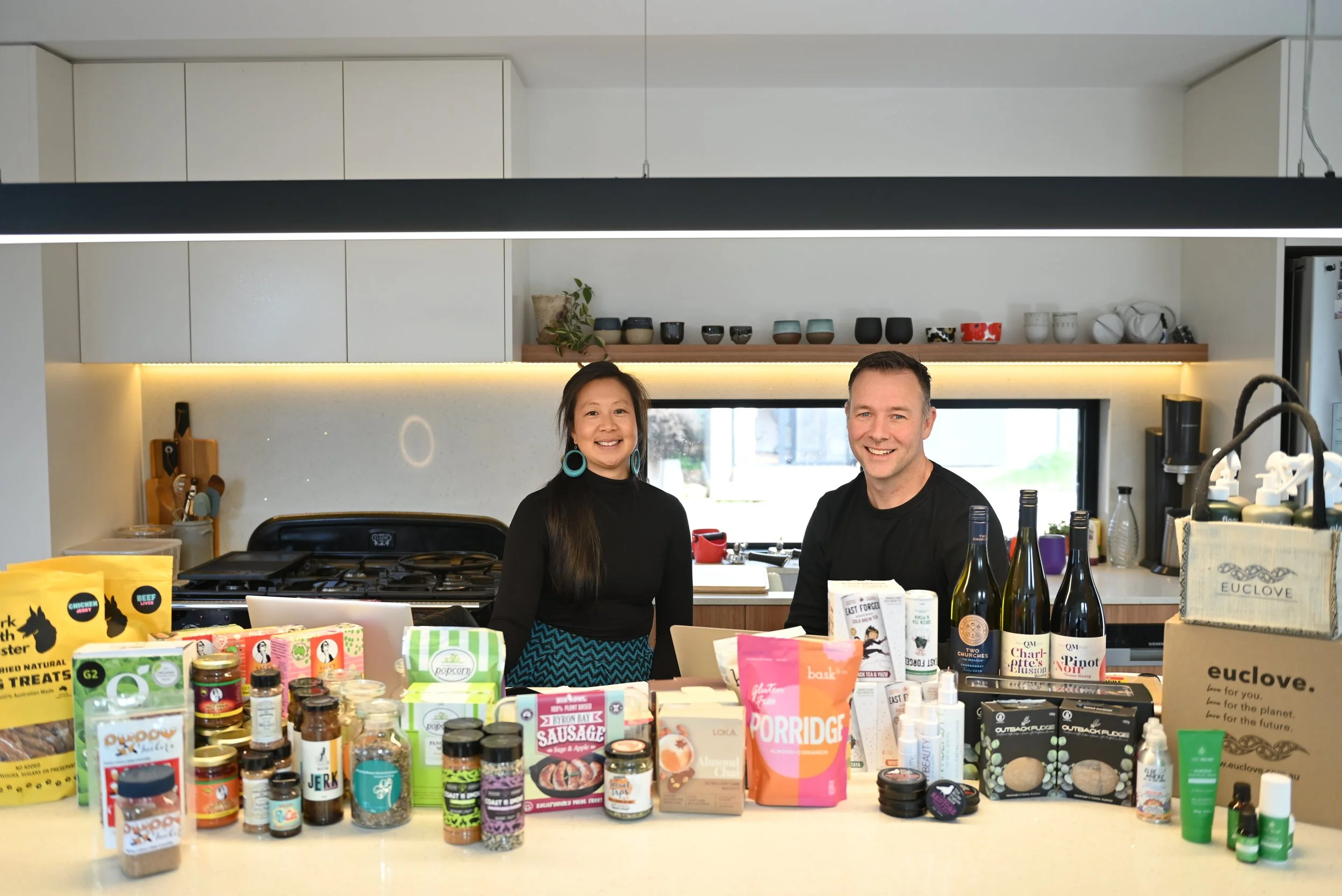
Masterclasses on Creative Communication.This is me (with my buddy Sally), we have worked with a BOATLOAD of brands helping to communicate simply. I run masterclasses on doing this well. This is a small snapshot of some Local Australian Brands we’ve worked with.

I hosted a breakfast show in Sydney.
It’s ok, most people have no idea who I am either. I like to think of myself as niche Christian Famous. I was on Hope 103.2 with Sam Robinson. We hosted a super fun radio show and I was doing the breakfast show from 2016 - 2021. If you want to hear some fun bits.

Occasionally I do and write comedy.
Clean Comedy is my forte when I do stand-up. You can hear some of my comedy sketches right here.
I Do AI Stuff….

I Need Answers Now is a nonprofit offering hope, guidance, and support through biblical conversations. Our AI chatbot acts as your personal faith-based mentor, providing insights to help you find clarity, encouragement, and new perspectives on life’s biggest questions.
I also make podcasts

Realtime Grace and The Church.
CURRENT
It’s a Micro-Pod less than 10 minutes long.
What does is look like for the church to be a positive disruption for good. If it isn't at all possible for the church to find unity theologically is there ways we could partner socially to disrupt industry or cultural norms in a positive way. The second part is a question around real-time grace vs retroactive grace. Where are the places we as a church could be revolutionary in our administration of Grace. The Third Part is just some pastoral reflections and stories from me. Discord Link https://discord.gg/fuKcucjHce
Taboo Christians Topic is all we do!
2021 - 2023 (Three Seasons)
Duncan Robinson and Chris Cipollone are old friends who have had more than 3 decades of Pastoral Experience between them. Duncan a former breakfast show host and Chris a current Entrepreneur tackle some of the big questions of Faith that might be a bit sensitive to talk about. We disagree a lot, but our goal is to foster healthy conversations about faith.

Amazing People
2018-2020
This was a Hope 103.2 Podcast with my Co-Host Sam.
We wanted to shine a light on the unsung heroes and untold stories you won’t hear about on the news: the people changing lives, overcoming obstacles, achieving amazing things, and making a difference.

Lesser Known Unreal Animals.
2017
Done a Few Years Back with My Daughter.
It all starts with Rory’s Story-Cubes! It is a podcast completely improvised with my daughter Ruby and the magical story cubes. Together we craft a story about something you’ve never heard of!
and these ones too…

Sustainable Dad.
2019
A Season and Everything Sustainable.
This is a personal learning journey talking to industry leaders in the field of sustainability and climate change. This podcast looks at the simple steps we can all take to live a more sustainable life. We interviewed Film Makers, CSIRO Scientists, University Professors and some of the best experts in the field!

Mad About Musicals.
2018
This podcast features Ally Barnes former Breakfast Show host on 103.2.
This short podcast was really a debate between Ally Barnes who loves musicals and Duncan who doesn’t. It’s a fun podcast debating the merits of musicals and what makes them so special.
What People Are Saying
“Thankyou for your honesty but most of all a encouragement of joy that you and Sam bring to our mornings. ”
— Greg
“If you could bottle your energy & humour & distribute it throughout the world, it would become infinitely better. We ALL are better from knowing YOU.”
— Bill
“You are super special! And your heart shines through with your humour that has not a single speck of malice which is a rare, phenomenal gift!”
— Alison
“Thank you for your honesty about your struggles, especially those relating to mental health. Keeping life real.”
— Amy